Table Of Content
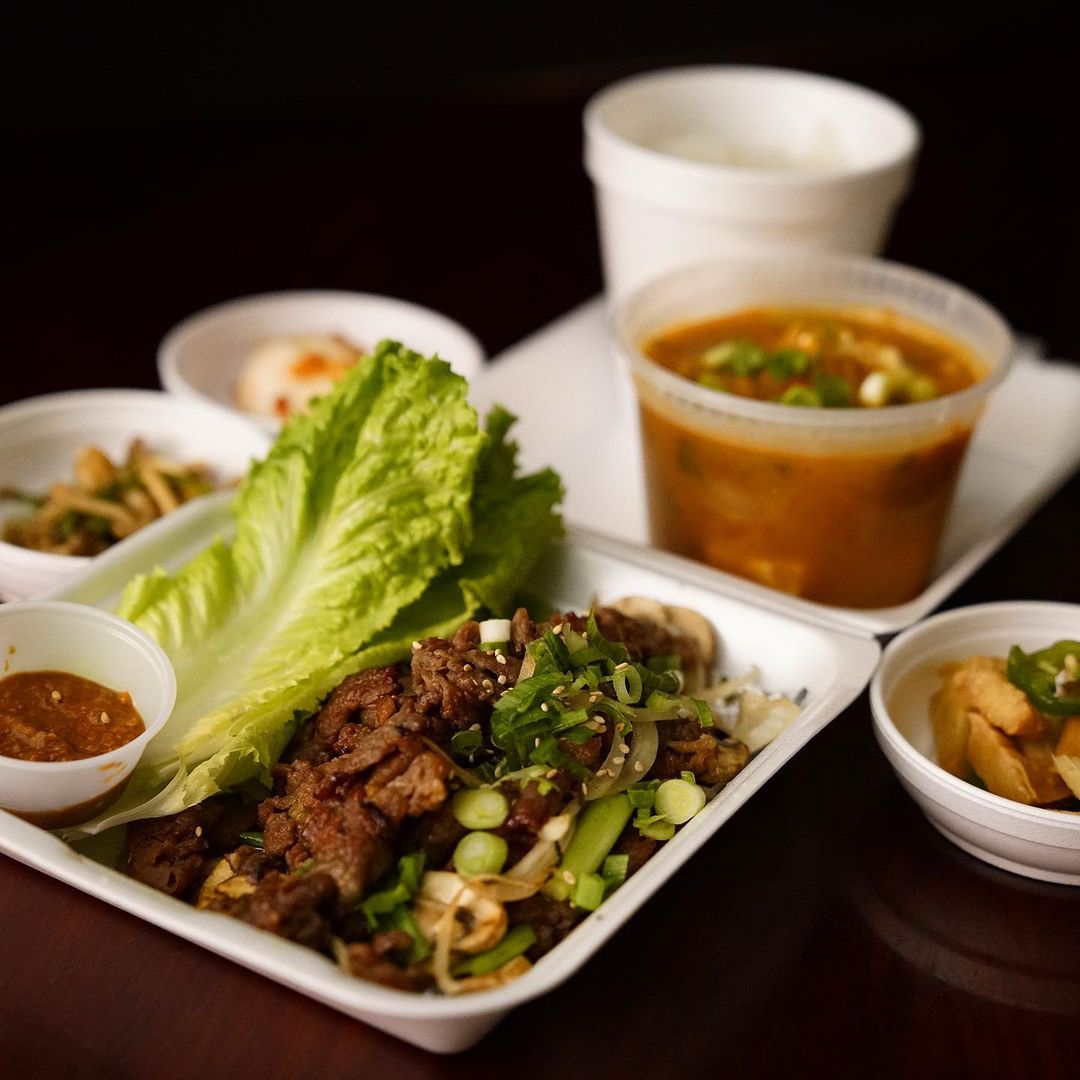
As soon as our butts hit the seats, hot tea and an array of simple banchan arrived at the table. My favorite of the bunch was the green onion-specked omelet, which was served cold. We requested a second helping of it because one slice per person just wasn’t gonna cut it. A few days before leaving town for the holidays, The Astronomer and I met up with a group of friends for a weeknight dinner at Kobawoo House, a porky palace that’s been around since 1983.
MDK Noodles (Myung Dong Kyoja)
The quality of the meat and banchan is simply unsurpassed, rivaling some of the best in Seoul itself. The front parking lot has been converted into an outdoor Korean barbecue setup for additional seating. This restaurant might be on the small side, but it serves up well-crafted traditional Korean dishes with huge flavor. The braised short ribs are a table-pleaser, along with the strong pot bibimbap. The spicy-braised mackerel is a show stopper, with layers of rich flavor that go perfectly when spooned over multigrain rice. And just to be positively sure that everyone at the table waddled out of the restaurant, we shared a steaming claypot of hae mul thang ($13.99).
Kobawoo House
When the egg is cooked, transfer it to a cutting board and use a knife to shred it. Jangban Guksu – Acorn Noodle with VegetableJangban means ‘flat serving tray’, and guksu means ‘noodle’ in Korean. This noodle disk is always served on a large flat plate with lots of vegetables. Mainly a summer dish, it is served in a portion big enough for two. The cloudy bone marrow broth here is legendary, as are the tender slabs of brisket and various organ meats floating in it. Build the meal with seasonings, kimchi, and rice, along with a dash of salt and sprinkling of green onions.
Follow Eater LA online:
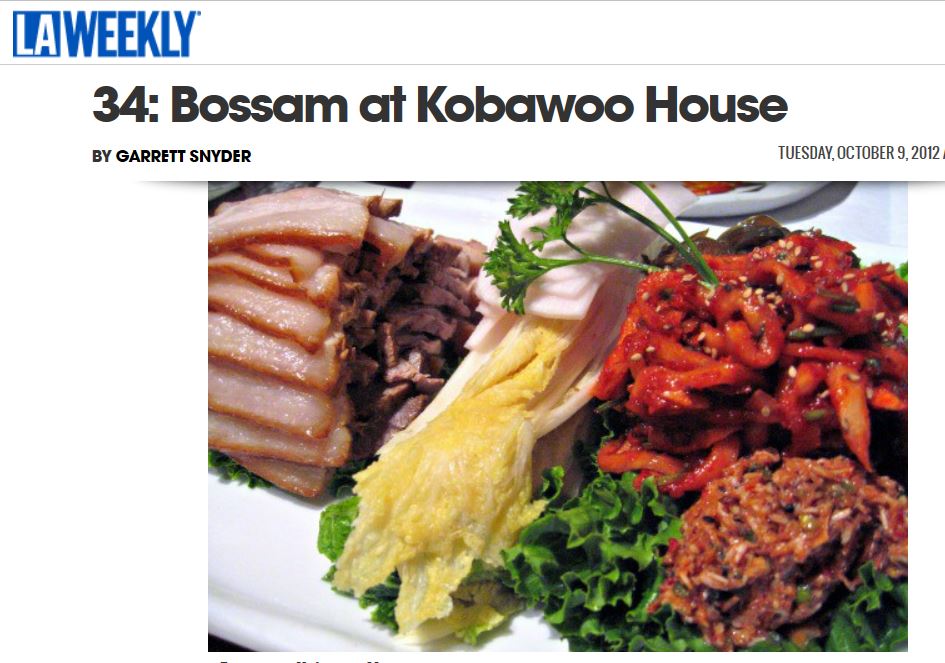
The star at Kobawoo House is the bossam ($16.99), a platter of pork belly that’s wrapped in slices of radish or salted Napa cabbage and accented with marinated radishes, kimchi, or jalapenos. There’s also a soy-based dipping sauce served on the side for additional zing. It’s a do-it-yourself dish that’s as fun to construct as it is to eat.
The live uni is another popular specialty item that is served in an urchin shell and paired with marinated rice and premium fish roe. We also shared a serving of jang ban guk su ($14.99), a dish of clear acorn noodles tossed with herbs, julienned vegetables, and a spicy-sweet dressing. After a long walk around Bullocks Wilshire Building, go to this restaurant and have a rest here.
At These DC Hotels, the Lobby Is the Main Attraction
The chilled beef broth paired with freshly pressed buckwheat noodles is easily one of the most refreshing Korean dishes. On the other end of the heat spectrum, shareable jeongol like mukeunji pork ribs pack tons of umami from long-fermented kimchi simmering on the table while diners eat. Los Angeles’s Koreatown is without question the mecca of Korean cuisine in America. The meals served in this vibrant neighborhood, full of neon lights and late nights, are so stellar that even food obsessives visiting from Seoul marvel at the sheer quality and quantity that is available. While most diners are quick to limit Korean food to all-you-can-eat barbecue feasts, there are a tremendous number of regional specialties worth seeking out in and beyond Koreatown. Featuring knife-cut noodles swimming in seafood broths and bubbling cauldrons of pork soups, here are 18 essential Korean restaurants to try in Los Angeles.
Discover Korean Cuisinesbrings you the best authentic taste
Sign up for our email to enjoy Los Angeles without spending a thing (as well as some options when you’re feeling flush).
This Ktown restaurant is a solid option for a weeknight dinner (sans loud crowds) in the neighborhood. The menu is intimidatingly long with stir-fries, stews, hot pot options, and more, so stick to the highlighted specials when your head starts to spin. Our favorite is the bossam platter, which comes with thinner-than-usual sliced pork belly, crunchy-fresh kimchi, and warm cabbage leaves that complement the fatty pork. We weren’t as crazy about the funky, spicy marinated oysters that come on the side, mainly because they’re so pungent they overwhelm everything else. But that’s just a minor detail, especially when the portions are quite generous. Expect lines at one of Koreatown’s more popular new restaurants, which has a wide menu of soup-based dishes, including gukbap, seolleongtang, and yukgaejang.
Popular collections including Kobawoo House
Packed with chives and octopus, the haemul pajun was crisp on the outside and tender within. A simultaneously salty and spicy dipping sauce kicked the pancake up several notches. Enduring Korean barbecue specialist Yangmani treats intestines on the same level as primal cuts, and the crowds every night are evidence of the restaurant’s popularity. The restaurant, which has a second location in Rowland Heights, serves a stellar kimchi fried rice studded with nubs of crisped gopchang.
Watch: Legendary Bossam at Kobawoo in LA - Eater
Watch: Legendary Bossam at Kobawoo in LA.
Posted: Fri, 14 Jul 2017 07:00:00 GMT [source]
I get the shakes when I go too long without a meal in Koreatown, so it felt damn good to be back in the land of kimchi and all-you-can-eat meat this evening. The Corner Place is a Koreatown staple known for giant bowl of dong chi mi gook soo, a cold noodle soup. Due to the restaurant’s popularity, layout, and capacity, our party of 12 could not be seated for a solid 45 minutes. This place isn’t great for big groups, but with the promise of pork belly to come, everyone remained in high spirits. Koreatown loves soondubu, the silken tofu stew popularized at places like BCD and Beverly Soontofu.
The Best Restaurants In Ktown For Your Next LA Night Out - Urban List
The Best Restaurants In Ktown For Your Next LA Night Out.
Posted: Fri, 19 Apr 2024 07:00:00 GMT [source]
Taste perfectly cooked bossam, kimchi pancakes and bean soup to form your opinion about Kobawoo House. Based on the visitors' opinions, waiters offer good green pancakes, rice cakes and halva here. Don't miss the opportunity to order great coffee, milk tea or hot chocolate. Add the noodles when the water is boiling and gently stir a few times while cooking (about 5 minutes or until tender). Drain by putting the noodles in a colander and rinse a few times in cold water.
For those craving bunsik, or Korean snacks, Kimbap Paradise has the good stuff. As its name would suggest, the gimbap options here are abundant, with classic fillings like beef, tuna, and fishcake, as well as more out-of-the-box fillings like jalapeno and spicy anchovies. Also, indulge in more casual bites like tempura and chicken wings, or enjoy gimbap with heftier, heartier dishes like stews or pastas. On a heated frying pan, pour the mix out and spread the egg as thinly as possible by tilting the pan.
Be prepared to wait, similarly to Sushi Gen, on this strip mall across a gas station. Bossam is a very DIY dish, with thinly sliced boiled pork belly, Napa cabbage, kimchi, chili, pickled daikon… mix and match to control the level of spiciness. Get this and throw in a bibimbab for good measure, and help yourself to the variety of banchan to reach Kobawoo Heaven. Open since 1985, Kobawoo is a Koreatown staple, and home to our favorite plate of bossam (boiled pork belly) in the neighborhood. With big, wooden booths and clean lines everywhere, Kobawoo’s interior is a little more upscale than other restaurants in the area, and its zen-like atmosphere is ideal for date night. That said, if you’re flying solo, and don’t want to eat a giant $43 plate of pork belly yourself, they have a smaller lunch special that’s only $13.99.
Put the noodles and the spicy source in a bowl and mix right away. A large platter of cold acorn noodle, seasonal vegetables, shredded chicken with red chili sauce. With all of that progress, there’s a yearning both in Seoul and even here in Los Angeles for simple, country cooking and Borit Gogae nails the experience, from the dozen or so banchan, mixed barley rice, and soup.
Bring a few friends and enjoy this bargain of a tasting menu served all at once, Korean-style. Don’t skip on the pork dumplings, and for those who aren’t in the mood for something soupy, the cold noodles with skate are a refreshing option. With two locations in Koreatown, this late-night galbi-jjim destination serves the dish with tender chunks of short rib, chewy rice cakes, and tons of spice. While the soups are more than respectable, crowds wait in line for the meat festival in a stone bowl. To supplement the bossam, we shared an enormous seafood-stuffed pancake called haemul pajun ($14.99).
Kobawoo’s bossam brought a landslide of flavors and textures with every bite. The pork belly struck a swell balance between meaty and fatty, while the vegetables held everything together tidily. My favorite garnish was the snappy and spicy gochujang-smothered radishes. To satisfy cravings for raw marinated crab, look no further than Master Ha. In fact, the restaurant was the first in Koreatown to popularize de-shelled marinated crab bowls with crab sourced directly from Korea.


No comments:
Post a Comment